
An initiative by the Federal Ministry of Agriculture, Food and Regional Identity
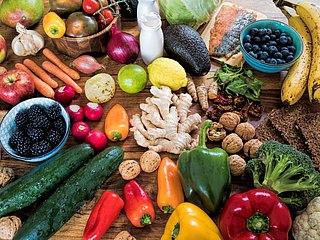
Every year in Germany, 10.8 million tonnes of food waste are produced across the entire food supply chain. About 58 percent of this waste happens in private households. This figure also includes unavoidable waste, such as fruit peels, nutshells, coffee grounds, cheese rinds and eggshells. The Too good for the bin! initiative of the Federal Ministry of Agriculture, Food and Regional Identity (BMLEH), has been showing consumers how they can reduce avoidable food waste in their homes since 2012.
Why take action?
Food waste affects all of us. Very few households manage to barely throw any food away. It's easy for a lemon, a loaf of bread or carrots to go mouldy, just as it’s easy to forget something in the back of the freezer or accidentally burn dinner.
But finding ways to reduce your food waste will not only save you money, but also protect valuable resources and our environment.
What can we do?
Too good for the bin! offers simple tips and tricks to reduce food waste. There are three main areas to consider:
- Good planning
Food is most often thrown away because it has gone bad. This can easily happen when we buy more than we can eat, or when we forget what we already have in our fridge or pantry. Planning ahead and having a good idea of what you already have at home will help you to only buy what you really need. This does not just reduce food waste, but also helps your wallet. - Good storage
Storing items well can also help you reduce food waste. Many refrigerators have different temperature zones. Sorting your food correctly will help ensure everything is cooled optimally. This can maximise how long items stay fresh. But there are things that don’t belong in the fridge at all – such as bread or tomatoes. Neighbours also matter more than you might think! For example, did you know that potatoes and onions expire more quickly when stored next to each other? - Good eating
Did you plan everything out and still wind up with leftovers? It happens! If you cooked too much food or went out to eat on a whim, try saving the leftovers in the fridge or freezer. This way, you can easily enjoy a yummy meal with no preparation on one of the following days.
How Too good for the bin! is making a difference
How much food is actually thrown away? What are the reasons why foodstuffs end up in the bin? And what can I do as an individual? The Too good for the bin! website offers consumers answers to these questions and recommendations for action. The Too good for the bin! initiative also offers a variety of information materials and tools, all specially designed to help people in Germany reduce their food waste. This includes free publications, memo pads for making grocery lists, an app for recipes and adhesive labels consumers can use to help them refrigerate food correctly. The Ministry also uses its Instagram channel (@bmleh.de) to regularly post information and recommendations.
Too good for the bin! materials and information are provided exclusively in German and are available on the initiative's website.
From 29 September to 6 October, Too good for the bin! will collaborate with the federal states to host its annual national awareness week. During this week, stakeholders offer a wide array of activities centred on preventing food waste. Attendees can benefit from information stands, workshops, cooking classes, school events, trade fair presentations and much more.
National Strategy for Food Waste Reduction
Too good for the bin! is an integral part of the National Strategy for Food Waste Reduction. The Federal Ministry of Agriculture, Food and Regional Identity uses the strategy to address the primary production; processing; wholesale, retail and away-from-home catering sectors, in addition to private households. However, private households are a focal point of the strategy, as this is where the lion’s share of food waste occurs.
The United Nations Sustainable Development Goals include the ambition to cut global per-capita food waste at retail and consumer levels in half by 2030. Furthermore, the requirements at EU level constitute a binding commitment for all EU member states. Germany has also made its own commitment to reduce food waste.
You can find more information about this on the BMLEH's website.